
Why Is My Kanna Powder Clumping? How to Fix It and Store It Right
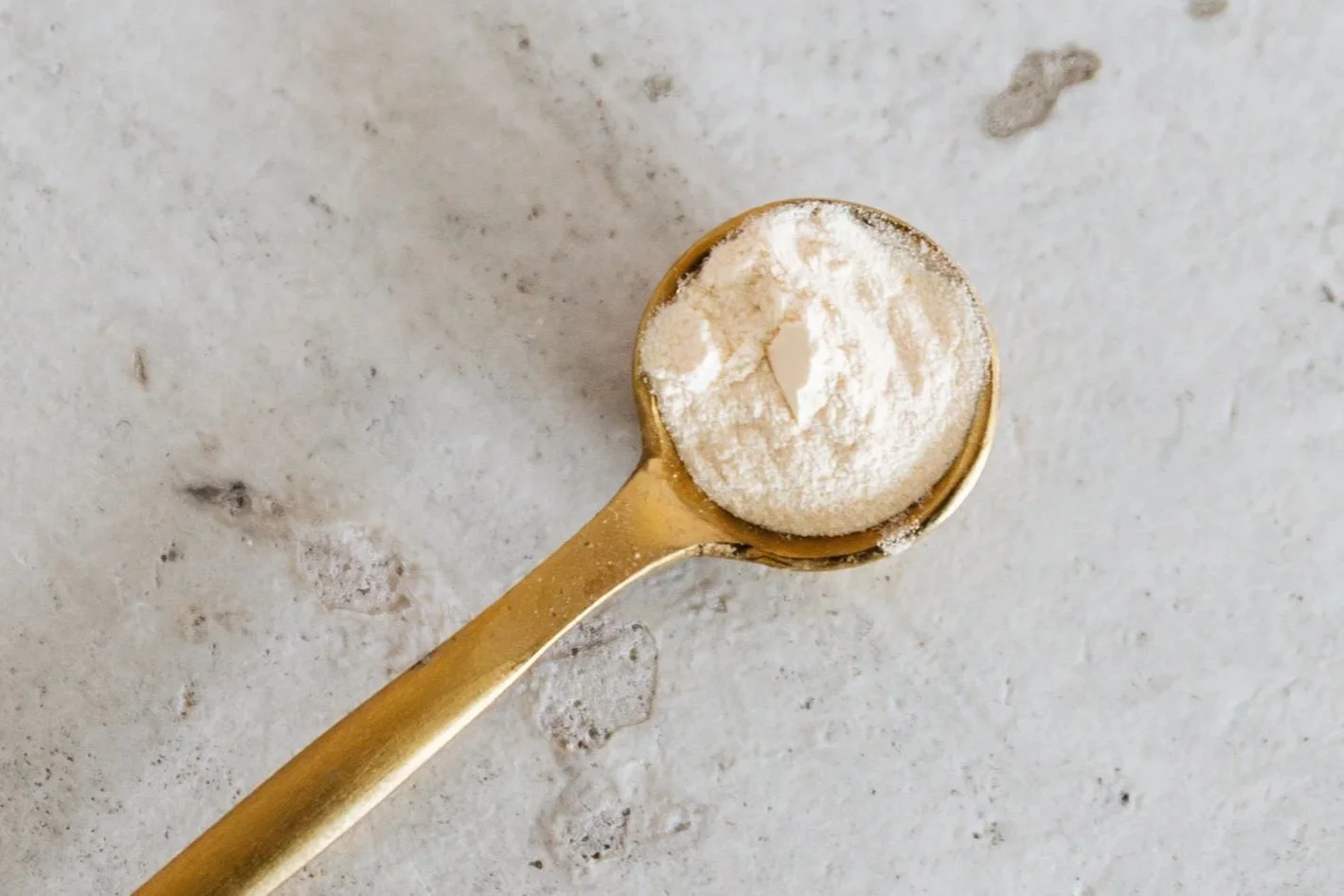
Clumpy kanna doesn't mean bad kanna. Here's why it happens, how to fix it in 60 seconds, and how to prevent it from happening again.
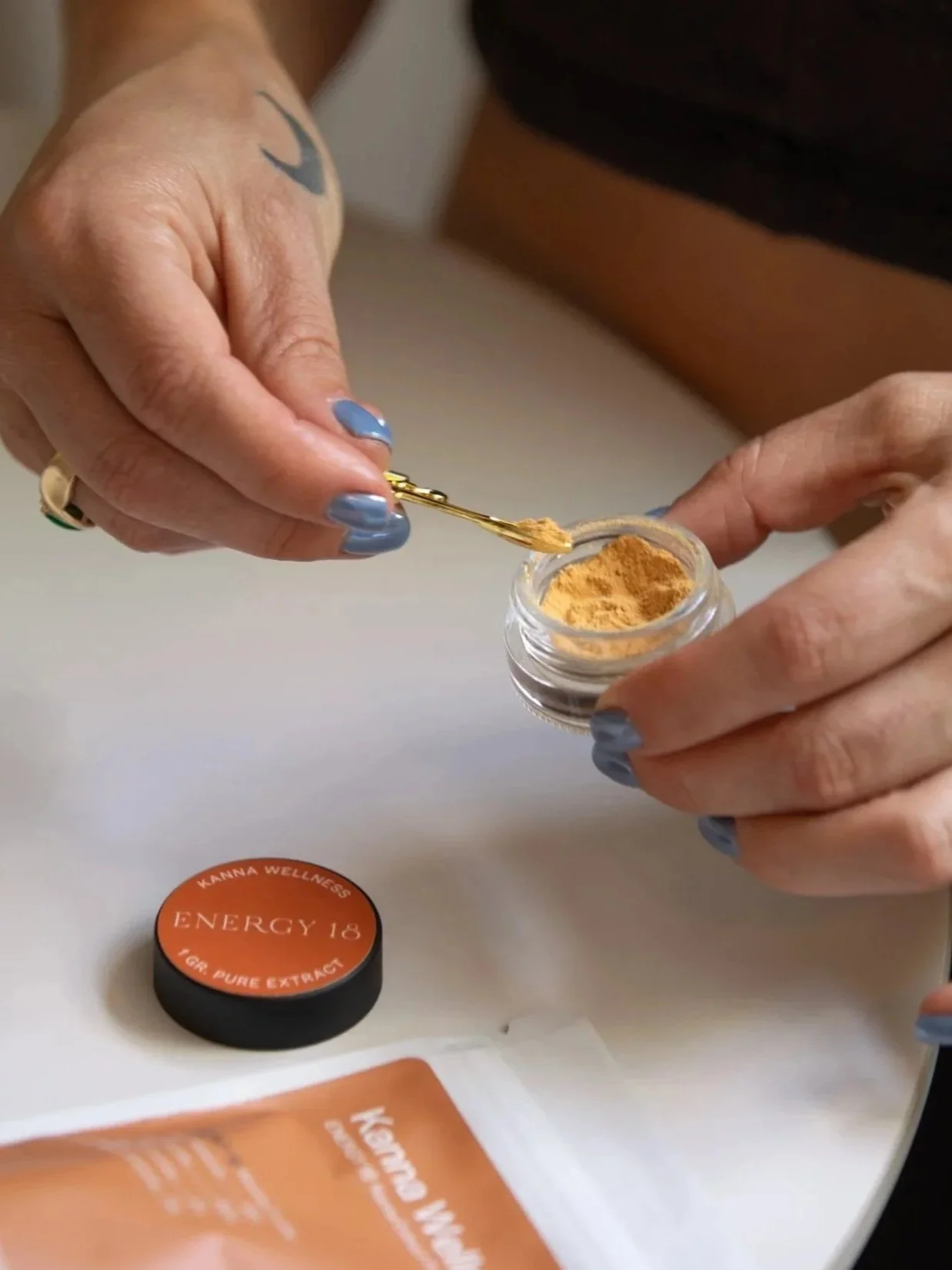
You open your jar of kanna extract, reach for a small scoop — and instead of the fine, workable powder you expected, you find a solid clump that's fused to the sides. Frustrating, especially if you're a new customer wondering if something went wrong.
Nothing went wrong. Your extract is completely fine.
Kanna extract powder — particularly high-potency extracts — is one of the most moisture-sensitive botanicals you'll encounter. Even small amounts of humidity cause it to clump, and it can happen quickly: a few uses without proper sealing, a humid bathroom counter, a warm summer kitchen. The clumping has nothing to do with quality, freshness, or potency. The alkaloids are still fully intact. It just looks less appealing and becomes harder to measure accurately.
Here's exactly what's happening, and how to fix it.
Why Kanna Extract Powder Clumps
Kanna extract — especially the concentrated forms used in sublingual and oral applications — is highly hygroscopic. That means it actively draws moisture from the air around it. The alkaloids and plant compounds responsible for kanna's effects are polar molecules, and polar molecules bond readily with water. As the powder absorbs ambient humidity, the fine particles stick to each other, and eventually you get the solid mass you're staring at now.
This is particularly true of higher-extraction ratios. A 50:1 extract is far more concentrated — and far more hygroscopic — than raw kanna powder, which has more plant fibre buffering the alkaloids. The purer the extract, the more sensitive it is to moisture.
Temperature fluctuations make it worse. Warmer air holds more moisture, and as temperature cycles up and down (think: a cabinet near a stove, or a bathroom with hot showers), the powder can absorb and partially dry out repeatedly, which accelerates clumping over time.
The important thing
Clumping does not affect potency or efficacy. The mesembrine, mesembrenone, and other active alkaloids are fully stable. They haven't degraded. You're not dealing with a defective product — you're dealing with a moisture-sensitive botanical that needs the right storage conditions.
How to Fix Clumped Kanna Powder (The 60-Second Method)
You don't need to throw it out. In most cases, clumped extract can be fully restored to a workable fine powder in under a minute. Here's the method that works best:
1. Get a fine-mesh metal sieve
A small kitchen strainer with a fine mesh — the kind used for dusting cocoa powder or straining espresso — works perfectly. Mesh size should be fine enough that the powder passes through but the clumps don't. A 2–3 inch diameter sieve is ideal; you don't need anything large.
2. Press the clumps through with the back of a dry metal spoon
Hold the sieve over a clean, dry surface (a sheet of paper or a small dish). Break the clumped extract into rough pieces and press them through the sieve using the back of a spoon. Use firm, even pressure — not a scraping motion. The powder falls through as a fine, even powder, and any remaining hard bits can be pressed again.
3. Use completely dry tools
This is important: make sure the sieve, spoon, and any surfaces are completely dry before starting. Any residual moisture will re-clump the powder immediately. If you've just washed anything, let it fully air dry or wipe with a dry cloth first.
4 Return to the jar immediately and seal it properly
Once you've broken the extract back into a fine powder, transfer it back to its jar right away. The longer it sits exposed to air, the sooner it will re-clump. Then follow the storage steps below.
If the clump is very hard:
Occasionally, if extract has been exposed to significant moisture, it can harden into a more solid mass. In this case, break it into smaller pieces first using a clean, dry tool (the handle of a spoon works well), then press through the sieve. It may take a few passes. Be patient — it will break down.
How to Store Kanna Extract to Prevent Clumping
Fixing clumps reactively is easy. But the better move is to stop them from forming in the first place. Here's what actually works:
Keep the humidity pack inside the jar, and the jar inside the pouch
Your Kanna Wellness extract arrives with a food-grade silica gel desiccant pack inside the jar and inside the pouch. Its job is to absorb ambient moisture from inside the jar, keeping the environment as dry as possible. Unlike two-way humidity regulators used in tobacco or cannabis storage, silica gel is a one-way absorber — it pulls moisture in and holds it. Once it's saturated, it stops working.
The pack needs to stay inside the closed jar at all times — including when the jar is going back on the shelf between uses. Replace it when it feels hard or fully saturated (typically every 2–3 months, depending on your climate and how often you open the jar).
The outer resealable pouch your jar arrived in adds a second layer of protection. Keep the sealed jar inside the pouch when not in use, especially in humid environments.
Find a cool, dry storage location
Avoid storing kanna extract in the bathroom (high humidity from showers), near the stove or kettle, or on a windowsill where temperature fluctuates. A kitchen cupboard away from heat sources, a bedroom drawer, or a dry shelf works well. Room temperature is fine — you don't need to refrigerate it, and a refrigerator can actually introduce condensation when you take the jar in and out.
Minimize the time the jar is open
Every time you open the jar, you're introducing ambient air and its moisture content. Measure your dose and seal the jar promptly — don't leave it open on the counter while you prepare your dose or get water. A few seconds of open time is fine; several minutes of exposure adds up over repeated uses.
Use dry measuring tools every time
A wet or even slightly damp spoon or scoop introduced into the jar is one of the fastest ways to accelerate clumping. If you rinse your tools between uses, let them fully dry before they go near the extract jar.
Living in a humid climate?
If you're in a particularly humid region — coastal areas, or anywhere humid in summer — consider buying a small silica gel canister to keep near your kanna storage, and replace your humidity pack more frequently. Customers in places like Vancouver or the Maritimes may find they need to replace packs every 4–6 weeks in peak summer.
A Note on Clumping and Product Quality
We hear from customers about clumping regularly — enough that we wanted to address it publicly and clearly. Clumping is one of the most common kanna questions we get, and it's almost always resolved in minutes once you know the trick.
It's also worth saying: if your extract arrived clumped in transit, that's not a quality issue with the extract itself. Packages pass through varying temperature and humidity conditions during shipping, especially in summer months, and even a sealed jar can experience some moisture exposure. The extract inside is unaffected.
If you ever have concerns about your order — clumping, appearance, anything at all — reach out to us directly. We'd rather hear from you than have you quietly disappointed.
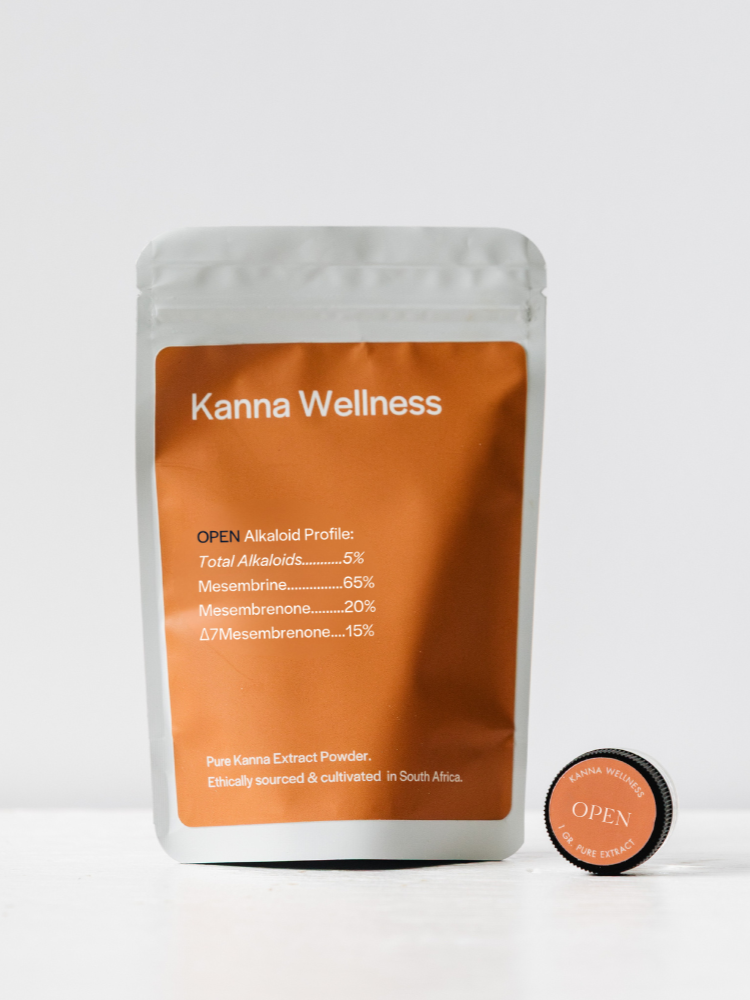

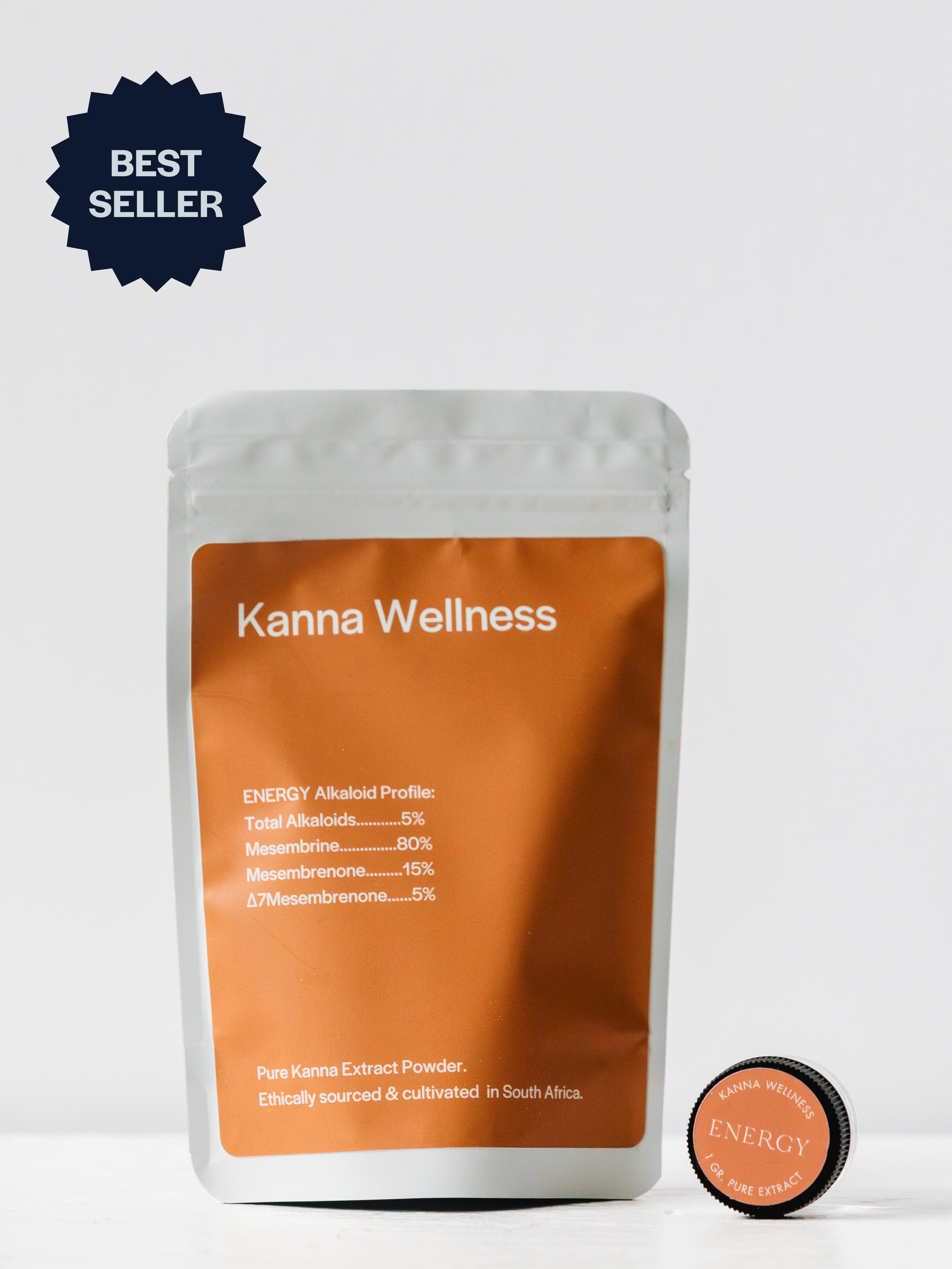
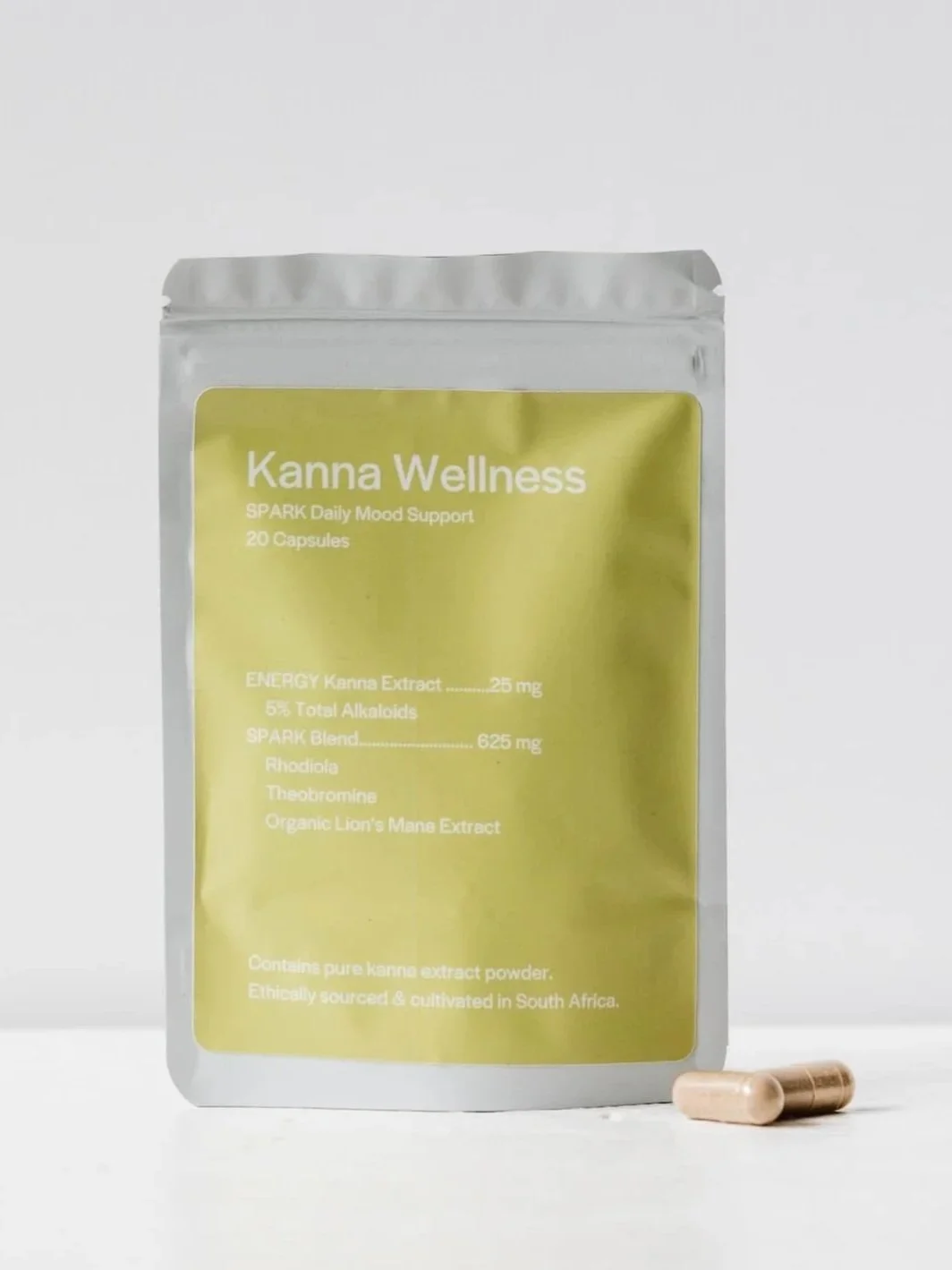

Felt Effects: Bright · Lifted · Clear
Buy Kanna in Canada – Canada’s Premium Liquid Kanna Tincture
ENERGY Kanna Drops in mint flavour are Kanna Wellness’ liquid kanna extract — fast-acting and built for life in motion. Four millilitres of kanna extract oil, suspended in organic vegetable glycerine, gives you 30 servings of approximately 25mg kanna.
Drop it under your tongue for fast sublingual onset, or add it to any drink. No scooping, no measuring, no mess. ENERGY Kanna Drops suit a moment: the event you're heading to, the airport you're passing through, the friend you want to share something with.
FELT EFFECTS
ENERGY Kanna Drops share the high-mesembrine alkaloid profile of ENERGY 18 — uplifting, clarifying, socially at ease — at a more moderate, accessible strength. The oil suspension supports fast absorption, particularly sublingually, meaning effects arrive sooner than with powder. The dose is calibrated for accessibility: pronounced enough to feel clearly, gentle enough to share.
BRIGHT — A clean mood lift that arrives quickly. Clear, not wired.
LIFTED — Sociable, motivated, verbally at ease. The room feels warmer.
CLEAR — Mental noise softens. You're here, and here feels good enough to give it your full attention.
USE CASES
Pre-event: a few drops before a night out, dancefloor, or social gathering
Travel: pocket-sized, glass vial, airline-safe — the most portable kanna format we carry
Add to mocktails, sparkling water, cacao, or coffee for a clear, social lift
Sharing with friends trying kanna for the first time — precise, easy to portion, fun to share
On-the-go days when a powder ritual isn't practical
Stacking with ENERGY or SPARK for a deeper experience
A first kanna experience for those who want something familiar and easy to use