
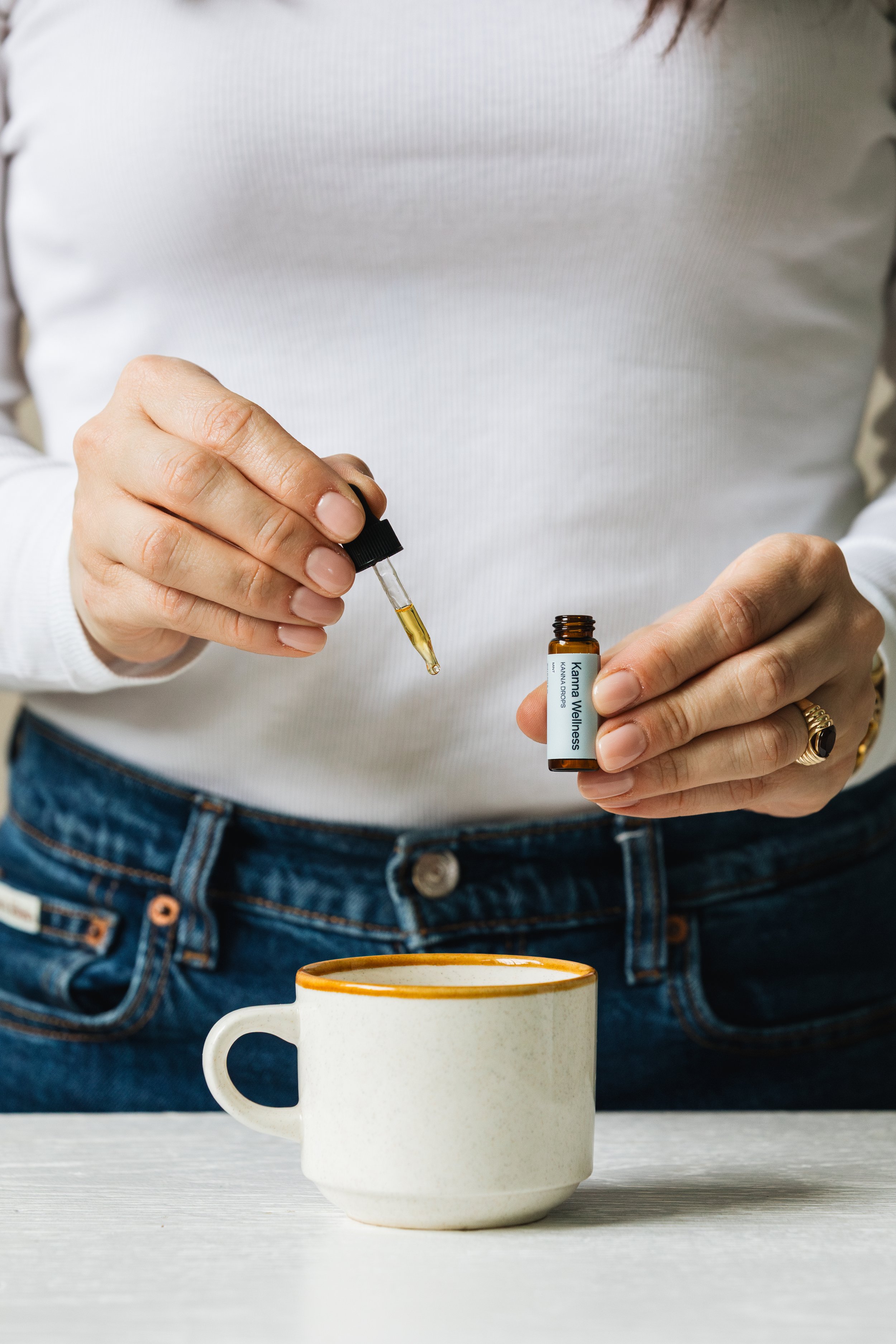
As more people question the long-term effects of pharmaceuticals, a new category of wellness has been quietly gaining ground: nutraceuticals.
From functional mushrooms to plant-based mood support, nutraceuticals sit at the intersection of nutrition, medicine, and prevention — offering a different way to support health, energy, and emotional wellbeing.
But how do nutraceuticals actually compare to pharmaceuticals? Are they effective? And where does kanna fit into this conversation?
Let’s break it down.
What Are Pharmaceuticals?
Pharmaceuticals are drugs developed to diagnose, treat, cure, or prevent disease. They are:
Synthesized or isolated chemical compounds
Designed to target specific biological pathways
Regulated as prescription or over-the-counter medications
Typically studied for acute symptom management
Pharmaceuticals play an important role in modern medicine — especially for emergencies, infections, and severe conditions.
Like most things, they often come with trade-offs, including:
side effects
tolerance and/or dependence
withdrawal symptoms
long-term use concerns
This has led many people to look for complementary or alternative options that support the body more gently.
What Are Nutraceuticals?
The term nutraceutical combines nutrition and pharmaceutical.
A nutraceutical is a food-derived substance that provides medical or health benefits, including prevention or support of physiological function.
Nutraceuticals include:
plant extracts
standardized herbal compounds
functional foods
naturally occurring bioactive compounds
Unlike pharmaceuticals, nutraceuticals are typically:
derived from whole plants or foods
multi-compound (not single-molecule drugs)
supportive rather than suppressive
intended for long-term wellness and regulation
They don’t override the body — they work with it.
Are Nutraceuticals as Effective as Pharmaceuticals?
This is where nuance matters.
Nutraceuticals are not a direct replacement for pharmaceuticals in all cases, especially for acute illness or severe disease.
However, research increasingly shows that nutraceuticals can be:
highly effective for chronic conditions
supportive for mood, stress, focus, and energy
useful for prevention and nervous system regulation
better tolerated for long-term use
In many cases, people choose nutraceuticals because they:
produce fewer side effects
don’t blunt emotional range
support baseline resilience rather than short-term suppression
Think of it this way:
Pharmaceuticals often intervene.
Nutraceuticals often regulate.
Both have a place — but they serve different purposes.
Why This Difference Matters for Consumers
Understanding the difference empowers you to make better decisions.
Many people don’t actually want to “fix” themselves — they want to:
feel calmer without feeling numb
have energy without jitters
feel emotionally open without losing clarity
support mental health without lifelong dependency
This is where nutraceuticals shine.
They’re often used:
alongside lifestyle changes
as part of nervous system support
during high-stress seasons
for emotional balance and focus
Why Kanna Is a Nutraceutical (But Not All Kanna Is)
Kanna (Sceletium tortuosum) is a South African plant traditionally used for mood, stress, and social connection.
Modern research has identified alkaloids in Kanna that:
interact with serotonin reuptake mechanisms
influence stress response and emotional regulation
support calm focus and sociability
This places Kanna firmly in the nutraceutical category.
However — and this is important — not all Kanna products qualify as nutraceuticals.
For Kanna to function as a nutraceutical, it must be:
standardized for alkaloid content
properly extracted
dosed with precision
active in its alkaloids
Unfortunately, many products on the market are:
underdosed
inconsistently extracted
poorly labeled
lack alkaloid transparency
What Makes Our Kanna a Nutraceutical
At Kanna Wellness, our products are designed intentionally as nutraceutical-grade psychoactive, not novelty supplements.
We prioritize:
standardized alkaloid profiles
clear dosing and education
third-party testing
ethical sourcing from Western Cape, South Africa
formulations designed for real-life modern use
This is what allows Kanna to function as a reliable, repeatable wellness tool — not a gamble.
How People Are Using Kanna as a Nutraceutical
While som epeople are using Kanna recreationally, most people incorporate it as a supportive daily or situational nutraceutical.
Common use cases include:
stress regulation
emotional balance
social ease
creative flow
focus without overstimulation
heart-forward connection
Some people use Kanna:
before social gatherings
during high-pressure workdays
in place of alcohol
as a caffeine companion
during periods of emotional heaviness
It’s not about escape — it’s about supporting the nervous system so you can show up more fully.
The Future of Wellness Is Nutraceutical
As consumers become more informed, there’s a growing shift away from:
symptom suppression
one-size-fits-all solutions
harsh interventions
And toward:
plant intelligence
nervous system regulation
long-term resilience
conscious, preventative care
Nutraceuticals aren’t a trend — they’re a return to relationship with the body.
And Kanna, when sourced and formulated correctly, sits beautifully at that intersection.
Curious to explore Kanna as a nutraceutical?
Explore our collection of standardized, nutraceutical-grade Kanna products, designed for emotional balance, clarity, and connection — without numbing or overstimulation.


Kanna Smokes are premium herbal pre-rolls made with Fortified Kanna Herb (Sceletium tortuosum) — an ancient South African plant ethically cultivated and sourced directly from South Africa.
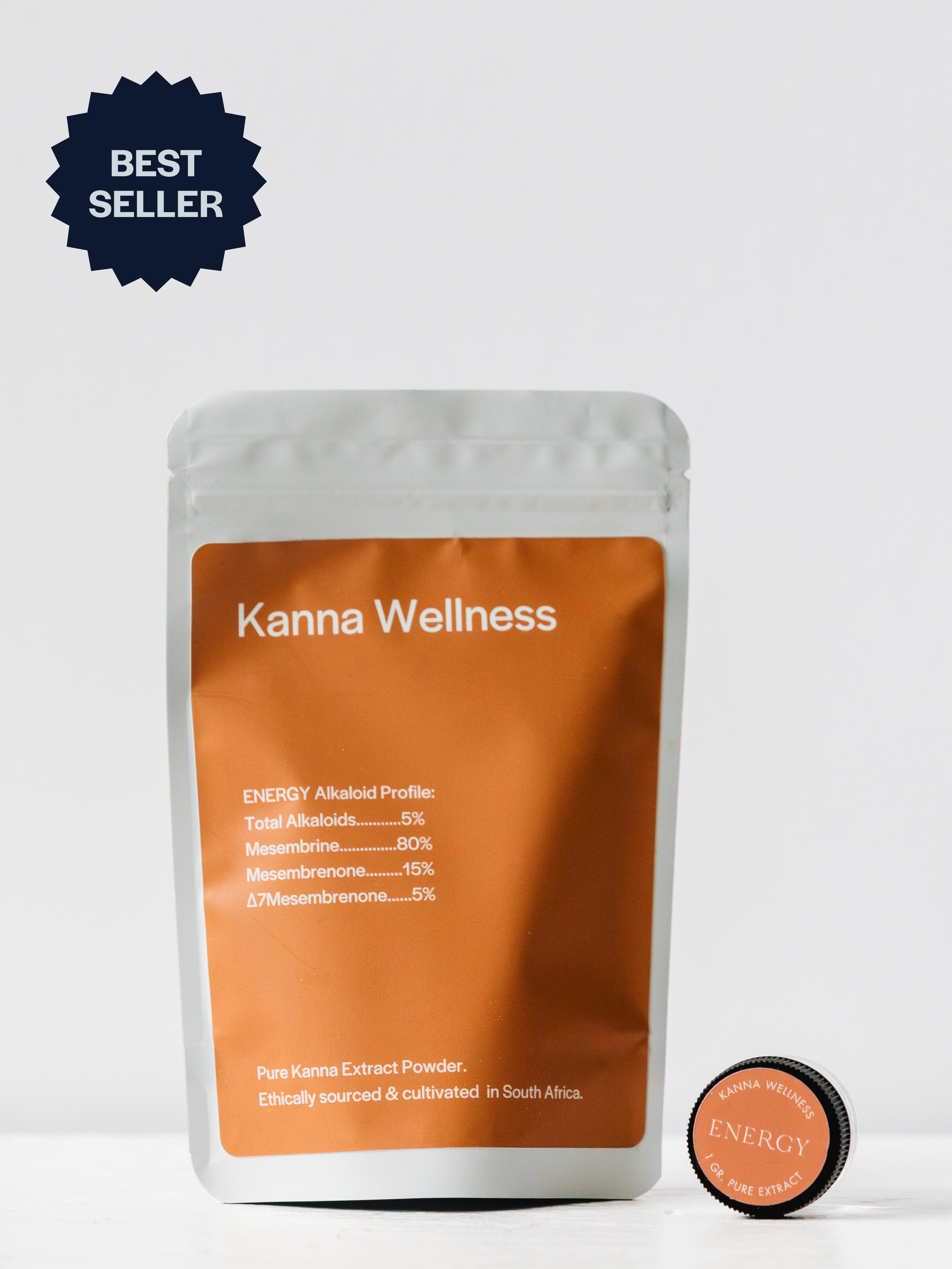
Each smoke delivers ~87mg of kanna herb and 2.37mg of mesembrine, the primary active alkaloid responsible for kanna's signature mood lift, calm focus, and open-hearted energy. This dose is equivalent to 2.4 servings of our ENERGY kanna extract.
No cann-a-bis. No nicotine. Just botanicals.
Two blends:
Lavender Mint — clean, fresh, and cooling. A smooth everyday smoke for clarity and calm.
Rose Chamomile — warm, floral, and grounding. Perfect for unwinding or sharing around a fire.
Each preroll is individually hand packed in a premium activated charcoal filter cone. The filter cools and smooths every draw, and can be reused multiple times for a cleaner experience. The smokes arrive in a keepsake silver tin, perfect for gifting or stocking up.
Not intended to diagnose, treat, cure, or prevent any disease. For adults 18+ only. Not recommended during pregnancy or while taking prescription medication.